img

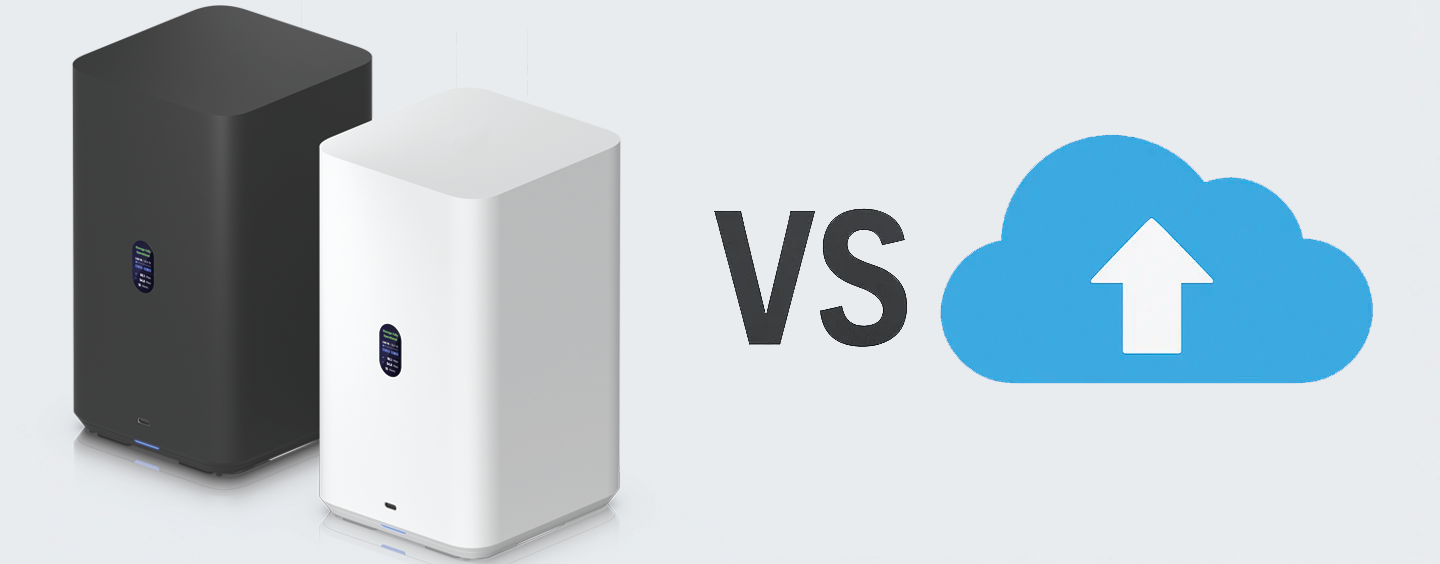
NAS vs WeTransfer

Why a NAS Is More Valuable for Remote Access


1. Permanent Remote Access vs Temporary Transfers

WeTransfer is fundamentally a SaaS “Software as a Service” delivery service to:

  • • Upload files
  • • Generate a link
  • • Recipient downloads
  • • Transfer expires
  •  

Even paid plans now impose various transfer and retention limits depending on tier. (WeTransfer Support)

A NAS works differently:

  • • Files remain permanently available
  • • Remote users connect directly to your storage
  • • No repeated uploading
  • • No duplicate copies
  • • Centralised archive
  • • Persistent folder structures
  •  

That matters operationally because:

  • • clients can revisit old files
  • • teams can collaborate from a single source
  • • media libraries remain online continuously
  • • version history and structured organisation become possible
  •  

For creative agencies, video production, architecture, photography, or engineering workflows, this becomes substantially more efficient than “send-and-expire.”


2. Long-Term Cost Advantage

Typical WeTransfer Costs

Recent pricing changes significantly altered WeTransfer economics:

  • • Free tier now heavily limited
  • • Starter tier introduced transfer caps
  • • Higher tiers moved toward expensive “Ultimate” subscriptions (WeTransfer Support)
  •  

Community feedback shows frustration with pricing increases and restricted workflows. (Reddit)

Approximate recurring costs:

  • • Starter: ~$7–12/month
  • • Ultimate: ~$25–39/month depending on region and billing (OneShare)
  •  

3-Year SaaS Cost Estimate

Plan

Monthly    

3-Year Cost

Starter

$8

~$288

Ultimate

$25

~$900

Higher regional pricing    

$39

~$1,404


That cost produces:

  • • no owned infrastructure
  • • no hardware asset
  • • no permanent storage ownership
  • • no local redundancy
  • • ongoing dependency on subscription pricing


3. A NAS Becomes an Asset

A NAS is a capital purchase.

Example:

  • • NAS hardware
  • • 2 NAS drives
  • • Optional UPS
  •  

After purchase:

  • • no transfer fees
  • • no monthly upload limits
  • • no per-transfer restrictions
  • • no bandwidth gating from SaaS plans
  •  

The system becomes:

  • • your private cloud
  • • your archive
  • • your collaboration platform
  • • your backup target
  •  

Over 2–4 years, total cost of ownership often becomes lower than premium SaaS transfer subscriptions.


4. Better Workflow for Large Media Files

WeTransfer is optimised for:

  • • ad hoc delivery
  • • occasional sharing
  • • lightweight collaboration
  •  

A NAS is better for:

  • • RAW video projects
  • • photography archives
  • • CAD repositories
  • • shared production assets
  • • client portals
  • • remote editing environments
  • • long-term retention
  •  

Advantages include:

  • • mapped network drives
  • • SMB/NFS access
  • • direct file synchronisation
  • • structured permissions
  • • incremental backup workflows
  •  

You stop repeatedly uploading the same files.


5. Privacy and Data Control

With WeTransfer:

  • • files transit through third-party infrastructure
  • • retention policies are platform-controlled
  • • pricing and policy changes affect access
  •  

With a NAS:

  • • storage remains physically under your control
  • • encryption and backup policies are self-managed
  • • data sovereignty improves significantly
  •  

This is especially valuable for:

  • • legal firms
  • • finance
  • • healthcare-adjacent media
  • • confidential client work
  • • internal company assets


6. Remote Access Can Replace Multiple Services

A properly configured NAS can consolidate:

  • • WeTransfer
  • • Dropbox
  • • Google Drive storage tiers
  • • basic backup systems
  • • local archive drives
  •  

That compounds cost savings over time.


7. Performance Advantages

For users with:

  • • fiber internet
  • • same ecosystem with a vast choice of networking products
  • • 2.5GbE or 10GbE infrastructure
  •  

a NAS can outperform browser-based transfer systems because:

  • • local LAN transfers are extremely fast
  • • remote sync is direct
  • • no repeated cloud upload cycles occur
  •  

However, community feedback notes that browser-relayed remote access can be slower without VPN or direct networking optimisation.

The best performance usually comes from:

  • • VPN access
  • • direct SMB over secure tunnels
  • • WireGuard/Tailscale-style networking
  • • proper upstream bandwidth


8. Scalability

WeTransfer pricing scales upward with usage.

A NAS scales by:

  • • adding larger drives
  • • expanding storage pools
  • • adding offsite backup NAS units
  •  

Users are already discussing remote NAS-to-NAS backup workflows for disaster recovery.

That means:

  • • office ↔ home replication
  • • automated backups
  • • geographically redundant storage
  • • business continuity


Best Use Cases for a NAS

A NAS is financially and operationally superior if you:

  • • regularly send large files
  • • keep long-term archives
  • • collaborate with recurring clients
  • • work with media production
  • • need private remote access
  • • want predictable ownership costs


Where WeTransfer Still Wins

WeTransfer remains better for:

  • • extremely simple one-off transfers
  • • non-technical recipients
  • • zero-maintenance workflows
  • • occasional file sending
  • • users without reliable upload bandwidth
  •  

It is still the fastest “send link and forget it” option.


Bottom-Line Economic Comparison

Factor                                  

NAS                        

WeTransfer                

Upfront cost

Higher

Low

Monthly fees

Minimal

Continuous

Long-term cost

Lower over time

Accumulates forever

Permanent storage

Yes

Limited

Remote access

Continuous

Transfer-based

Data ownership

Full

Third-party

Scalability

Hardware-based

Subscription-based

Collaboration

Strong

Basic

Large archive workflows

Excellent

Weak

Simplicity

Moderate setup

Very easy


For professionals moving files every week, a NAS typically becomes economically favourable within 1–3 years while delivering substantially more capability than a pure transfer service.